Trezor Suite: A Comprehensive Guide to Secure Cryptocurrency Management
Introduction
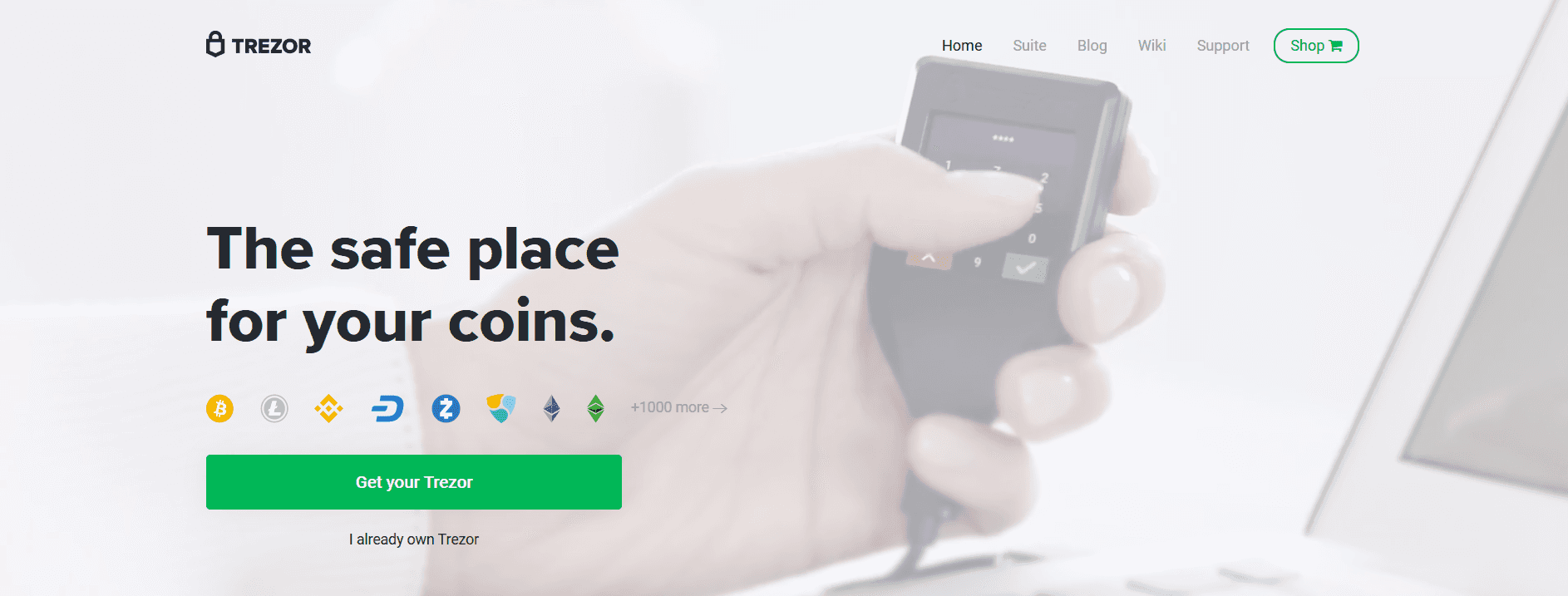
As cryptocurrencies gain mainstream adoption, the importance of secure storage and management cannot be overstated. Digital assets, while decentralized and borderless, are highly susceptible to hacking, phishing, and loss if not handled correctly. Trezor Suite provides a comprehensive solution, combining hardware security with an intuitive software interface for managing cryptocurrencies safely. Developed by SatoshiLabs, Trezor Suite integrates with Trezor hardware wallets to offer users a secure, feature-rich platform for managing their crypto assets.
This guide delves into Trezor Suite, its features, setup, security advantages, and practical tips for both beginners and advanced users.
What is Trezor Suite?
Trezor Suite is a desktop and web application designed to manage digital assets in combination with a Trezor hardware wallet. Unlike software wallets, which store private keys online, Trezor Suite relies on the hardware wallet to keep private keys offline, making it one of the most secure solutions available.
Key purposes of Trezor Suite include:
Securely sending and receiving cryptocurrencies
Tracking cryptocurrency portfolios
Managing multiple coins and tokens in one interface
Facilitating secure crypto exchanges
Connecting safely to decentralized applications (dApps)
Trezor Suite bridges the gap between high-level security and user-friendly design, making crypto management accessible to everyone.
Supported Cryptocurrencies
One of Trezor Suite’s strengths is its wide compatibility with various cryptocurrencies. Users can manage over 1,000 coins and tokens, including major cryptocurrencies like:
Bitcoin (BTC)
Ethereum (ETH)
Litecoin (LTC)
Bitcoin Cash (BCH)
Ripple (XRP)
In addition, Trezor Suite supports ERC-20 tokens, stablecoins, and several DeFi assets. This makes it a one-stop platform for managing a diverse portfolio.
Core Features of Trezor Suite
1. Integration with Trezor Hardware Wallets
Trezor Suite is designed to function alongside Trezor One and Trezor Model T. Private keys never leave the device, ensuring that even if your computer is compromised, your funds remain safe.
2. User-Friendly Dashboard
The dashboard is clean and intuitive, allowing users to:
View their portfolio at a glance
Check real-time market prices
Track transactions
Generate receiving addresses
This simplicity makes it ideal for both beginners and seasoned users.
3. Portfolio Tracking
Trezor Suite offers detailed portfolio tracking:
Total portfolio value in fiat currency
Individual coin performance
Historical price charts
Asset allocation percentages
This helps users monitor investments and make informed decisions.
4. Built-In Cryptocurrency Exchange
Trezor Suite integrates with trusted exchange partners, allowing users to swap coins directly within the suite. This reduces reliance on external exchanges and increases security by keeping private keys offline.
5. Advanced Security Features
Security is the cornerstone of Trezor Suite:
PIN protection: Safeguards the device from unauthorized access
Passphrase support: Adds an extra layer of encryption
Two-factor authentication (2FA): Enhances protection for connected accounts
Recovery seed: Enables wallet recovery if the device is lost
All private keys remain offline, minimizing exposure to cyber threats.
6. Features for Advanced Users
Trezor Suite caters to power users as well:
Multi-signature wallets
Custom transaction fees
Support for multiple accounts per cryptocurrency
Integration with third-party wallets and dApps
These features allow experienced traders to manage complex portfolios efficiently.
Setting Up Trezor Suite
Step 1: Download and Install
Visit the official Trezor website.
Download Trezor Suite for your operating system (Windows, macOS, Linux).
Follow installation prompts.
Step 2: Connect Your Hardware Wallet
Plug in your Trezor device via USB.
Follow the on-screen instructions to connect it.
Step 3: Initialize Your Wallet
Create a new wallet if the device is new.
Record your 24-word recovery seed safely offline.
Set a secure PIN code for device access.
Step 4: Add Cryptocurrencies
Add supported coins and tokens to your portfolio.
Trezor Suite automatically detects compatible assets.
Step 5: Begin Managing Assets
Use the dashboard to send, receive, and track your assets.
Explore built-in portfolio analytics, exchanges, and advanced settings.
Security Advantages of Trezor Suite
Offline Private Key Storage
Private keys never leave the hardware device, which greatly reduces the risk of theft from hacking or malware.
Protection Against Malware
Even if your computer is compromised, signing transactions on the offline device ensures that your funds remain secure.
Recovery Seed Backup
The 24-word recovery seed allows users to restore their wallets on a new device, ensuring continuity in case of loss or damage.
Phishing Protection
Trezor Suite ensures that users verify transactions on the hardware device, preventing phishing attacks and fraudulent transactions.
Benefits of Using Trezor Suite
1. Comprehensive Portfolio Management
Track multiple cryptocurrencies in real-time with detailed insights on market values and performance.
2. Cross-Platform Compatibility
Trezor Suite works on Windows, macOS, Linux, and web browsers, providing flexibility for users on different devices.
3. Ease of Use
The interface is beginner-friendly without compromising on security, making cryptocurrency management simple and straightforward.
4. High-Level Security
By combining hardware wallets with software, Trezor Suite provides robust protection against hacks, phishing, and malware.
5. Built-In Exchange
Swapping cryptocurrencies within Trezor Suite eliminates the need for external exchanges, keeping transactions secure.
Trezor Suite vs. Other Wallets
Trezor Suite vs. MetaMask
Security: Trezor uses hardware-based offline storage; MetaMask stores keys online.
Asset Support: Trezor supports 1,000+ cryptocurrencies; MetaMask mainly supports Ethereum and ERC-20 tokens.
Ideal Use: Trezor Suite is better for secure storage, while MetaMask is optimized for dApp interaction.
Trezor Suite vs. Ledger Live
Both integrate with hardware wallets.
Trezor Suite emphasizes a more intuitive interface, while Ledger Live provides slightly wider coin support.
Both prioritize offline key security.
Tips for Safe Usage of Trezor Suite
Keep Recovery Seed Offline: Never store it digitally or online.
Use a Strong PIN: Choose a unique, secure PIN.
Enable Passphrase Protection: Adds a second layer of security.
Update Firmware Regularly: Ensure your device runs the latest security updates.
Avoid Phishing Links: Only download Trezor Suite from the official website.
Common Questions About Trezor Suite
Is Trezor Suite Free?
Yes, Trezor Suite is completely free. Only the hardware wallet needs to be purchased.
Can I Use It Without a Trezor Device?
No, a Trezor hardware wallet is required for secure operation.
Does Trezor Suite Work on Mobile?
Primarily desktop-based, but limited functionality is available via web browsers on mobile devices.
What If I Lose My Device?
You can restore your wallet using your 24-word recovery seed on a new device.
Conclusion
Trezor Suite is one of the most secure and user-friendly cryptocurrency management platforms available. By combining offline hardware security with a feature-rich software interface, it allows users to manage multiple cryptocurrencies safely and efficiently. From beginners seeking a secure place for their first crypto investments to advanced traders managing diverse portfolios, Trezor Suite provides the tools, security, and convenience necessary for the modern crypto user.
With growing cyber threats and increasing cryptocurrency adoption, Trezor Suite remains a reliable solution for anyone serious about crypto security.